Introduction
Neuropathy—nerve damage that causes tingling, numbness, and sometimes sharp pain—affects millions of adults over 40. While medical treatments exist, many people discover that foods for nerve health neuropathy can play a meaningful role in managing symptoms and slowing progression. The connection between nutrition and nerve function is well-established in medical research, yet it remains one of the most underutilized tools for symptom relief.
This article explores the natural foods and vitamins that support nerve health, backed by scientific evidence. You'll learn which nutrients matter most, which foods contain them, and how dietary changes can complement your existing treatment plan. Whether you're dealing with diabetic neuropathy, age-related nerve decline, or nerve damage from another cause, understanding the nutritional foundation of nerve health is an important step toward feeling better.
Understanding Neuropathy: Causes and Background
Peripheral neuropathy occurs when nerves in the hands, feet, or other parts of the body become damaged, disrupting communication between your brain and the rest of your body. The condition develops for many reasons. Diabetes is the leading cause in developed countries, affecting blood sugar control and nerve tissue. Vitamin deficiencies—particularly B vitamins—are another common culprit. Infections, toxin exposure, certain medications, and age-related nerve degeneration also contribute.
Less commonly, neuropathy results from autoimmune conditions, trauma, or inherited disorders. Some cases are idiopathic, meaning doctors cannot identify a specific cause. Regardless of the underlying trigger, the mechanism is similar: nerve fibers deteriorate, communication pathways become unreliable, and symptoms develop.
The encouraging news is that nerve tissue has regenerative capacity. A 2019 study published in the Journal of Neuroscience showed that peripheral nerves can repair themselves when given proper nutritional support and reduced inflammatory stress. This is why dietary intervention matters. By providing the micronutrients nerves require for repair and maintenance, you create an environment where healing can occur. The key is consistency and addressing deficiencies before permanent damage takes hold.
How Nerves Function and What Goes Wrong
To understand why nutrition matters for neuropathy, it helps to know how nerves work. Nerve cells communicate through electrical and chemical signals, requiring energy and specific nutrients to maintain their protective coating (myelin) and transmit information reliably. When these nutrients become depleted or when inflammation rises, nerve signals become distorted or fail. This is why someone with neuropathy might feel pain in their foot even though nothing is touching it—the damaged nerve is sending incorrect signals to the brain.
Recognizing Neuropathy Symptoms
Neuropathy symptoms vary widely depending on which nerves are affected and the severity of damage. Most commonly, people experience tingling or numbness in the feet and hands, often starting at the toes or fingertips and progressing upward. This "stocking-glove" pattern is particularly common in diabetic neuropathy. Some describe the sensation as pins and needles, while others report a burning or electric shock feeling.
Beyond sensory changes, neuropathy can cause weakness, making it difficult to grip objects or climb stairs. Balance problems may develop if proprioceptive nerves—those that sense body position—are affected. Pain varies from mild discomfort to severe, shooting sensations that disrupt sleep and daily activities. Temperature sensitivity often increases, meaning feet feel cold even in warm environments, or hands feel numb to heat.
Symptoms typically worsen at night and improve during the day, though individual patterns differ. Some people experience only mild tingling that remains stable for years. Others face progressive worsening without intervention. This variability makes early attention to foods for nerve health particularly valuable—catching the condition early and providing nutritional support can slow or sometimes halt progression. If you notice persistent tingling, numbness, or unusual sensations lasting more than a few weeks, consulting your doctor is essential to identify the underlying cause and rule out serious conditions.
How Neuropathy Impacts Daily Life
The impact of neuropathy extends far beyond physical sensation. Numbness in the feet increases fall risk, especially in older adults, leading to serious injuries. Inability to feel pain means you might miss warning signs of infection or injury, potentially leading to complications. Many people report reduced quality of life due to sleep disruption from nighttime symptoms and the emotional weight of chronic discomfort.
Work can become challenging when fine motor skills are affected. Difficulty holding a pen, typing, or performing precision tasks may force career changes. Social activities often decrease—some people avoid walking outdoors due to balance concerns, or withdraw from gatherings where they'd be on their feet for extended periods.
Depression and anxiety frequently accompany neuropathy, both as a response to chronic symptoms and potentially as a neurological effect itself. The uncertainty about progression and effectiveness of treatments adds psychological burden. This holistic impact—physical, functional, and emotional—underscores why taking a comprehensive approach that includes dietary support matters. Addressing neuropathy through multiple angles, including nutrition, offers the best chance of managing symptoms and reclaiming quality of life.
Natural Approaches and Lifestyle Strategies for Nerve Health
While nutrition is crucial, it works best alongside other evidence-based lifestyle changes. Regular physical activity is particularly important. A 2020 study in Diabetology & Metabolic Syndrome found that gentle, consistent exercise—especially walking and resistance training—improved nerve function and reduced pain in people with neuropathy. Movement increases blood flow to affected areas and stimulates nerve regeneration pathways.
Managing blood sugar (if diabetic), maintaining healthy weight, and avoiding smoking and excess alcohol all support nerve health. These substances directly damage nerve tissue and impair the body's ability to repair itself. Stress reduction through meditation, deep breathing, or time in nature also matters—chronic stress elevates inflammatory markers that worsen neuropathy.
Sleep quality deserves attention too. During deep sleep, the body activates repair processes and clears inflammatory substances from nerve tissue. Poor sleep directly impairs these healing mechanisms. Temperature management—keeping feet warm and protected—reduces pain and prevents injury in numb areas. Proper footwear, regular foot inspections, and meticulous foot hygiene are essential for people with lower-limb neuropathy.
These lifestyle elements create the foundation on which nutrition builds its benefits. A person eating perfectly but remaining sedentary and stressed won't experience the full healing potential. Conversely, excellent lifestyle habits combined with deliberate nutritional choices create synergy that maximizes nerve recovery.
Key Nutrients and Foods for Supporting Nerve Health
B Vitamins are the cornerstone of nerve health. B1 (thiamine), B6 (pyridoxine), and B12 (cobalamin) are essential for myelin formation—the protective sheath around nerve fibers—and for energy production within nerve cells. Deficiency in any of these is strongly linked to neuropathy. Research in the American Journal of Clinical Nutrition shows that people with adequate B12 levels experience significantly fewer neuropathy symptoms than deficient individuals.
Excellent food sources include whole grains, legumes, eggs, and fish for B vitamins. Leafy greens provide B6 and folate. Grass-fed meat and wild-caught fish offer highly absorbable B12, though vegans should consider fortified foods or supplements since B12 occurs naturally only in animal products. This is why many adults turn to targeted nerve support formulas—one such option is NerveCalm, which combines these key B vitamins alongside other evidence-backed nutrients for nerve support.
Antioxidant vitamins like C, E, and alpha-lipoic acid fight oxidative stress that damages nerve tissue. Vitamin C appears in citrus fruits, berries, and cruciferous vegetables. Vitamin E is rich in nuts, seeds, and vegetable oils. Alpha-lipoic acid, found in spinach, broccoli, and organ meats, is particularly powerful for neuropathy—a 2018 systematic review in Nutrients journal confirmed its effectiveness in reducing pain and improving nerve function.
Minerals matter equally. Magnesium supports nerve signal transmission and reduces inflammation. Low magnesium is surprisingly common and worsens neuropathy symptoms. Sources include pumpkin seeds, almonds, spinach, and dark chocolate. Zinc supports immune function and nerve repair, found in oysters, beef, pumpkin seeds, and chickpeas. Calcium works with magnesium for nerve function—dairy, leafy greens, and fortified plant milks provide it.
Omega-3 fatty acids reduce inflammatory markers that damage nerves. Fatty fish like salmon, sardines, and mackerel are excellent sources. Flaxseeds, chia seeds, and walnuts provide plant-based omega-3s, though the bioavailable form is highest in fish. Regular omega-3 consumption has been shown in multiple studies to slow neuropathy progression and reduce pain intensity.
Building Your Neuropathy-Friendly Meal Plan
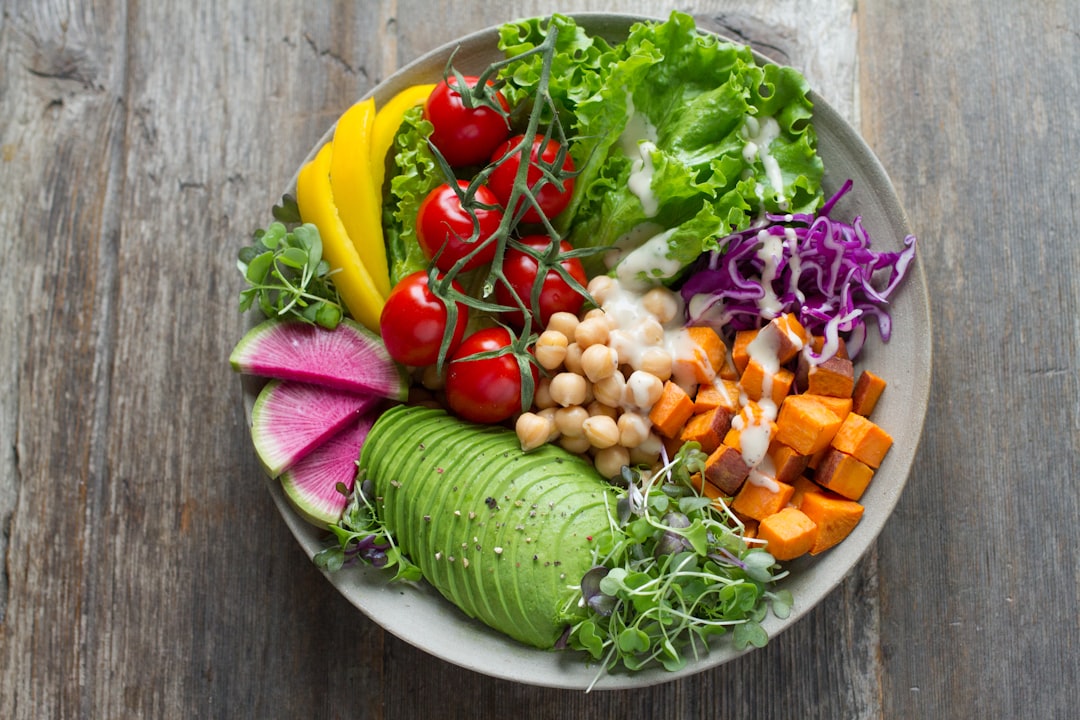
Rather than thinking of neuropathy management as restriction, frame it as abundance. A day might start with eggs (B12, selenium) and berries (vitamin C), continue with a salmon lunch (omega-3s, B vitamins), and feature a dinner with leafy greens, almonds, and legumes (magnesium, zinc, B vitamins). Snacks of pumpkin seeds or dark chocolate provide minerals while satisfying cravings. The key is consistency—these nutrients work cumulatively over weeks and months.
When to See a Doctor
While dietary approaches are powerful, they work best as part of a comprehensive treatment plan. You should consult a healthcare provider if you experience sudden onset of numbness or tingling, progressive worsening of symptoms, numbness affecting your ability to feel pain in your feet, significant balance problems, or loss of muscle strength. A doctor can perform nerve conduction studies and other tests to confirm neuropathy, identify its cause, and rule out other serious conditions.
Additionally, if you have diabetes, it's critical to have regular nerve health screenings, as early detection allows for more aggressive interventions. When starting a new dietary regimen or supplements, inform your doctor—some supplements interact with medications, particularly blood thinners or diabetes medications. Your healthcare provider can also test for specific micronutrient deficiencies, allowing you to target your supplementation precisely rather than taking everything generically.
Many integrative medicine doctors and registered dietitians specialize in neuropathy management and can help you design a personalized nutritional protocol. This collaborative approach—combining your doctor's expertise with dietary intervention and lifestyle changes—produces the best outcomes.
Frequently Asked Questions
Can diet alone cure neuropathy?
Diet cannot cure established nerve damage, but it can significantly reduce symptoms and prevent further deterioration. Think of nutrition as providing the raw materials your body needs for repair. A 2022 meta-analysis in the Journal of Diabetes Research found that combining dietary improvements with medical treatment produced better outcomes than either approach alone. Early intervention—addressing deficiencies before severe damage occurs—offers the best results.
How long before I notice improvement from dietary changes?
Individual responses vary, but most people report some improvement within 4-8 weeks of consistent dietary changes and supplementation. Nerve tissue regenerates slowly—you're not looking for overnight transformation but gradual progress. Some notice reduced nighttime pain or improved sensation first. Keep a symptom journal to track subtle improvements you might otherwise miss.
Are supplements necessary, or can I get everything from food?
Food should be your foundation. However, many people with neuropathy have absorption issues or severe deficiencies requiring higher doses than food alone provides. A healthcare provider can order micronutrient testing to identify your specific gaps. Some nutrients like alpha-lipoic acid are difficult to obtain adequate amounts from food. This is where supplementation becomes practical and evidence-based.
Is neuropathy preventable through diet?
To a significant degree, yes. People who maintain adequate B vitamin levels, healthy blood sugar, and antioxidant-rich diets experience lower rates of neuropathy development. If neuropathy runs in your family or you have risk factors like diabetes, prioritizing these nutrients throughout your life—not just after symptoms appear—offers substantial protective benefit. This preventive approach is far easier than treating established neuropathy.
Taking the Next Step
Managing neuropathy requires a multi-faceted approach, and nutrition is one of the most powerful tools at your disposal. If you're struggling with tingling, numbness, or nerve pain, building your diet around the foods for nerve health neuropathy covered in this article is a concrete step you can take today. For those seeking a convenient way to ensure you're getting the key nutrients discussed here, learn more about NerveCalm and how it addresses the nutritional foundation of nerve support.
Related Reading
Causes of Nerve Tingling and Numbness: Medical Triggers Explained